
 Lietuvių
Bees, Work In The Apiary
July in the Sweet Drop Apiary
Jul
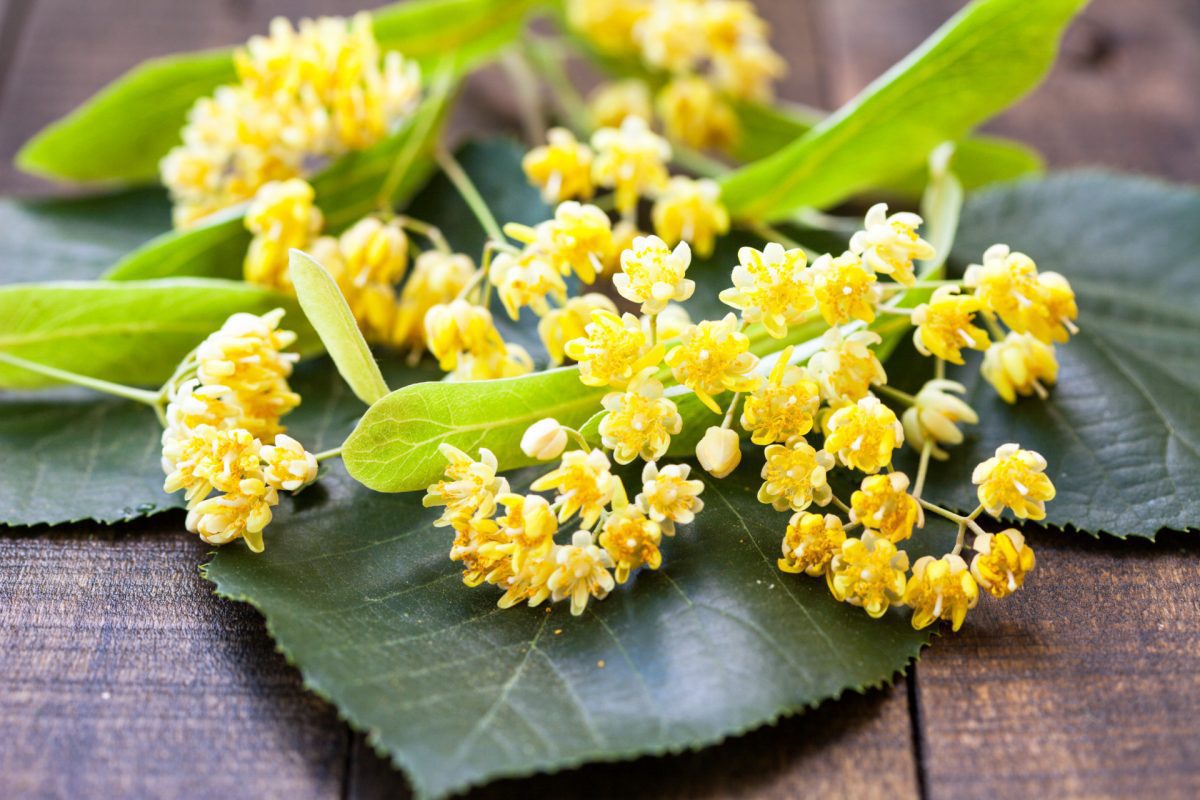
In July our colonies should be at maximum strength to take full advantage of the summer flowers. We beekeepers need to keep pace with them to ensure that they have enough room to store nectar and pollen and that the queens have room to lay. Up here in the north of the County we have a good show of bramble, clover and rosebay willowherb. Also, the lime has just come in to flower, though with a cool and windy spell forecast it remains to be seen how good a flow we can expect. We had a definite June gap up here but we have field beans locally, which kept my bees nicely busy. There is less urgency to remove and extract honey now as the oilseed rape is over, and we can afford to wait until the frames are sealed before removing them. Before adding another super it’s a good idea to check the ones already on and to maximise space by rearranging frames and even boxes, at the same time moving uncapped or partially capped
frames to the middle of the super for the bees to complete: they work in a chimney fashion so will go straight up the centre of the hive, ignoring the outer frames unless they need them. This year my bees have been very quick to fill supers but quite slow to cap frames: curious, but according to colegues it seems I’m not the only one to find this. With the main honey harvest of the year in mind you may find you need to order extra equipment, foundation, jars or labels.
We also need to maintain our vigilance where colony health is concerned and to be alert to signs of robbing by stronger colonies and by wasps. Yes, it’s time to make some wasp traps…